The Ultimate Guide to Residential Painting in San Francisco


Understanding the Basics of Residential Painting
Residential painting is an essential aspect of maintaining and enhancing the aesthetic appeal of your home. It involves more than just applying a coat of paint; it's about choosing the right colors, finishes, and techniques to create a harmonious and visually appealing environment. San Francisco's unique climate and architecture make the process even more interesting and rewarding.
Before embarking on a painting project, it's crucial to assess the current state of your walls. Check for cracks, peeling, or any damage that may need repair before painting. This preparation will ensure a smooth and durable finish that lasts for years.
Choosing the Right Colors
Color selection is perhaps the most exciting part of residential painting. In San Francisco, where Victorian and Edwardian homes are prevalent, choosing colors that complement these styles is essential. Consider the historical significance and architectural details of your home when selecting your palette.
Popular color trends in San Francisco include earthy tones, pastel shades, and vibrant accents that reflect the city's lively culture. Using a color wheel can help you understand color relationships and create a balanced scheme.
Selecting Quality Paint
The quality of paint you choose will significantly impact the outcome of your project. Opt for high-quality, weather-resistant paints that can withstand San Francisco's foggy and humid climate. Investing in premium paints may cost more initially but will save you money in the long run by reducing the need for frequent touch-ups.
Consider environmentally friendly options, such as low-VOC or zero-VOC paints, which are better for both your health and the environment. These paints minimize harmful fumes and contribute to better indoor air quality.

Hiring Professional Painters vs. DIY
Deciding whether to hire professional painters or tackle the project yourself is a crucial step. While DIY painting can be a rewarding experience, it requires time, skill, and the right tools. If you're inexperienced or have a large area to cover, hiring professionals can save you time and ensure a flawless finish.
Professional painters bring expertise, efficiency, and quality equipment to the table. They can also provide valuable advice on color selection, finishes, and the latest trends in residential painting.
Preparing Your Home for Painting
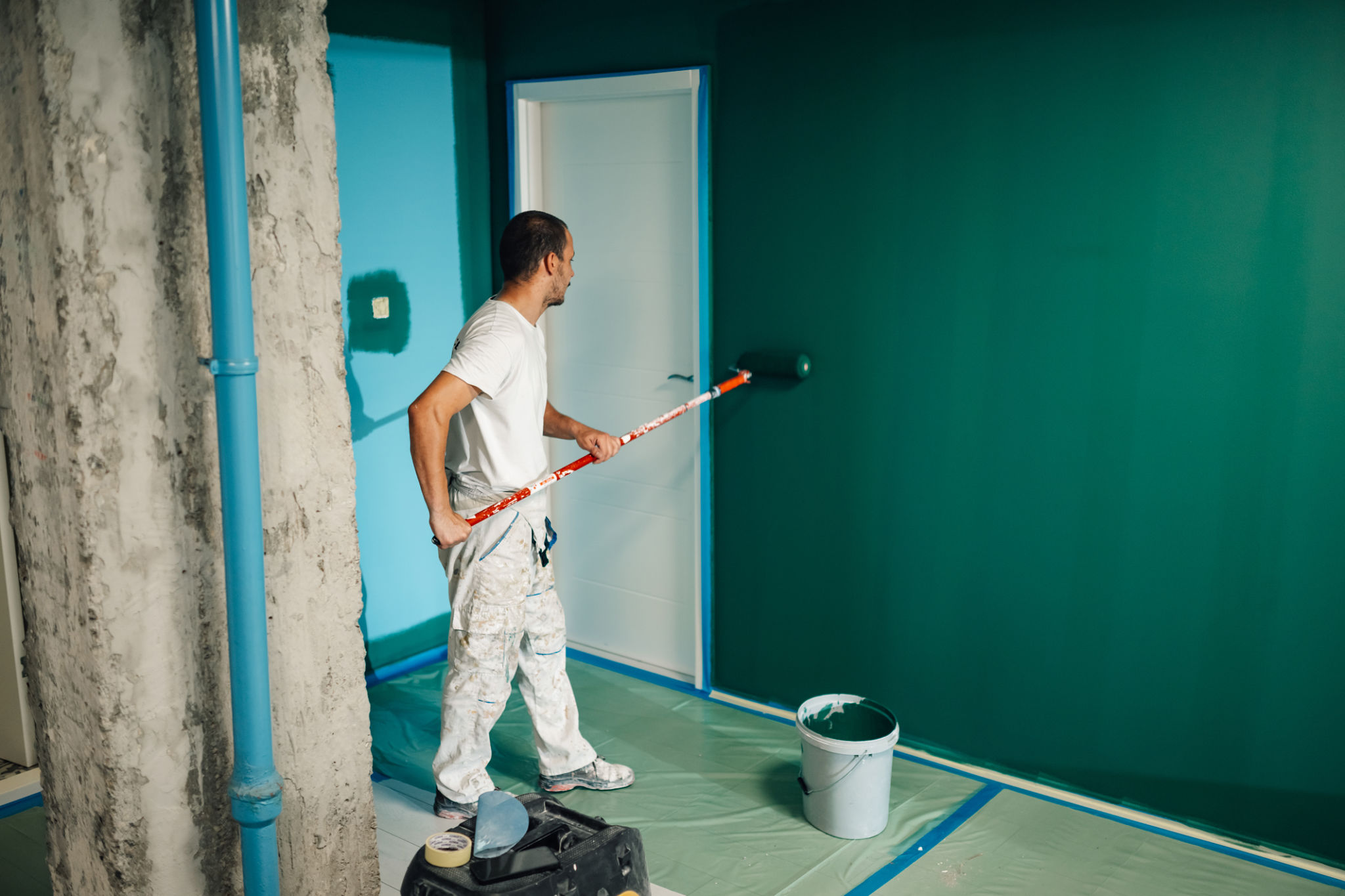
Proper preparation is key to a successful painting project. Start by moving furniture and covering floors to protect them from paint splatters. Cleaning the walls to remove dust and grease will ensure better paint adhesion.
- Repair any imperfections on the walls.
- Sand rough surfaces for a smooth finish.
- Apply primer if needed, especially on new or repaired surfaces.

Painting Techniques and Tips
Mastering the right painting techniques can make a significant difference in the outcome. Use painter's tape to achieve clean edges and prevent paint from bleeding onto trim or adjacent walls. Start with the ceiling and work your way down to avoid drips on freshly painted surfaces.
For a smooth and even finish, use a combination of brushes and rollers. A brush is ideal for cutting in edges, while a roller covers large areas efficiently. Apply paint in thin, even coats, allowing each layer to dry completely before applying the next.
Maintaining Your Painted Walls
Once your painting project is complete, maintaining your newly painted walls is essential to preserve their beauty. Regularly dust and clean walls with a soft cloth or sponge to prevent dirt buildup. Address any minor scuffs or marks promptly to keep the paint looking fresh.
Consider scheduling touch-ups every few years, especially for high-traffic areas or rooms exposed to moisture. This proactive approach will extend the life of your paint and keep your home looking vibrant and inviting.